 With the Bucks County Half Marathon scheduled for April 3, 2011 in Tyler Park, runners all over the county are hard at work training for the big day. After Amanda provided some beginner training tips last week, local nutritionist Joanna Chodorowska is sharing some of her secrets to eating for marathon success:
Ever realize at the end of the race, that things did not go as well as planned? It may be a result of poor training, but more likely your nutrition plan (or lack of) was the culprit. Most of us do not put enough emphasis on our nutrition plan. Here are a few things to keep in mind.
First off, don’t try anything new on race day. Use what you have used in training. Don’t let expo ‘experts’ talk you into a new nutrition bar or solution to use. It may not agree with you. Then all that precious training is wasted with poor results instead. Train with it. Then race with it.
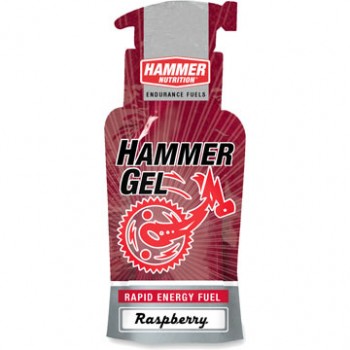 You want to train in race-like conditions so you know how your body will react to the fuels you are using! Try to use the products on the course to see if your body tolerates that electrolyte solution or gel. Your iron stomach may not be so iron-like come race day (especially when you add your nerves, excitement and higher intensity). That is what training is for – not only to get your muscles ready, but your nutrition plan as well. If it doesn’t work, you still have time to find something that does. Some like Gatorade, GU, Powerbar, etc. Others, like me, cannot tolerate it in any dose – the simple sugar, artificial color and the preservatives just put my stomach in knots. Simple sugars limit me from using what is on the course. I found one company whose products do not use simple sugars – Hammer Nutrition. There are lots of things out there – try them to find the one YOU like best. But for longer distances, shy away from simple sugars.
If you can’t use what is on the course, then you have to take fuels with you. Always pack what you need for your races before you leave home. You may not find it at the expo. Make a list of what you need. Check the list twice before you leave home. .
If you take it with you, make sure you train with it on you. For example, if you are running a marathon, then you will have to find a way to carry your fuels with you. Don’t wait til the night before to try a new Ultimate, Fuel Belt or Camelback (the chaffing rash may be too much pain to handle). It may be uncomfortable once you add gels, or fluids slosh too much. Find a holder you are comfortable with long before you get to the start line. Try it in training. You won’t wonder how to take your fuels with you.
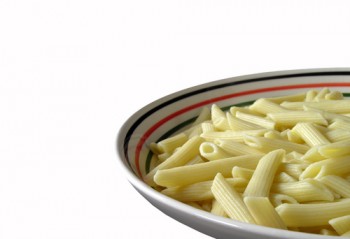 Now, the pre-race meal. Try to keep the same routine for your long workouts in terms of what you eat the night before and the morning of. Experiment with portions of pasta, veggies, proteins, etc to find what works. It is not supposed to be a pig out session, but a meal to help top up the glycogen stores. A question I got a few days before their marathon: ‘What should I have for dinner? Pasta? Meat? Chicken? Turkey?’ My response was “ Have whatever you had the night before all your long runs during training.” Well, they had no idea what they had before their long runs. Keep a log of what you eat, if only before the long sessions. Then duplicate the better training sessions along with the meal plan. Avoid any spicy foods the night before. Keep that for AFTER the race. Same thing applies to your breakfast before your long sessions – try to keep it the same once you determine the right combination. If you need help, consult with a nutritionist who specializes in sports nutrition.
Don’t over-eat or under-eat. Your body will generally absorb between 200-350 calories per hour (even if you are burning over 700 calories per hour). Better to eat less per hour – you can always take a gel for that quick energy boost. But taking too many calories will shut your stomach down. Don’t try to cram in calories on the bike to help you for the run! Try combinations of gels, powders and bars during training. Try them at different levels of exertion. Sometimes the harder you push yourself, the less you will be able to eat. The longer you go, the more sensitive your body will become to simple sugars and electrolyte loss.
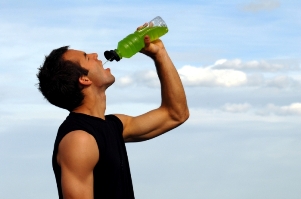 Remember to hydrate. Too much water can cause you to flush electrolytes out of your system – increasing the likelihood of cramping and dehydration (resulting in hyponatremia). Too few liquids can do the same. A 1% dehydration can lead to a 7-15% drop in performance. That is like going from a sub 7-minute run pace down to an 8:30 or slower. Your muscles are 70% water, so they work best when properly hydrated. If you drink more than 28 oz (one large water bottle) per hour, it could mean you are low on electrolytes. Without electrolytes, your body is not utilizing the water properly. Simple sugars block your body’s ability to absorb electrolytes. Complex sugars do not. Taking an electrolyte supplement (with sodium, potassium, calcium and magnesium) would be best to replace lost electrolytes thru sweat. If you are prone to cramping, these electrolytes will save the day! And stay away from those sugary drinks.
And don’t forget about sleep. It does play a key role. Not enough will definitely impair your racing ability and your bodies ability to handle foods and electrolytes. Try to get as much sleep as you can 2-3 days before the race. That way if you do not sleep well race night, then you won’t be totally in a daze. Don’t take a sleeping pill as you may wake up groggy and in a fog. Try chamomile tea, relaxation and deep breathing techniques like yoga. Try to avoid alcohol the night before – it may get you to the start line dehydrated.
Training is more than just getting the muscles ready for racing. You need to keep your nutrition in check as well. From taking the fuels you use on the course to making sure it works before you head to the start line. Be consistent with what you do. And always try it at least 2-4 weeks before the race. A poor nutrition plan could be the reason you fail to reach your race goals. Eat smart, train smart, and race smart.
Joanna K Chodorowska, BA, NC is a nutritionist, swim coach and competitive triathlete. She founded Nutrition in Motion in North Wales specializing in personalized nutrition programs for athletes, triathletes and health minded individuals including the 8 Week Nutrition Boot Camp. Better health thru better nutrition education….one meal at a time. Joanna is also a private swim coach. Her website is www.nutrition-in-motion.net for more information.
We Are Supported By:





Join Our Community. Click here to learn more